The Hidden Role of Small Mechanical Parts in Modern Engineering

Modern industries rely on precision, efficiency, and durability to maintain high-performance operations. Whether it is an aircraft engine, an automobile transmission, a robotic arm, or a medical device, every machine depends on carefully designed components working together in perfect coordination. Among these components, small mechanical parts hold a surprisingly powerful role in maintaining the performance and reliability of advanced systems. Though compact in size, these parts are essential for supporting movement, reducing friction, connecting structures, and ensuring long-term operational stability.

As manufacturing technology continues to evolve, industries are demanding increasingly precise and durable components capable of performing under challenging conditions. These engineered parts are now used in almost every sector, from aerospace and electronics to healthcare and industrial automation. Their accuracy and quality directly affect the efficiency, safety, and lifespan of machinery.

Why Precision Components Matter

Mechanical systems function through the interaction of multiple moving and stationary elements. Every screw, pin, gear, washer, bracket, and connector has a specific role within a larger assembly. Even the smallest imperfection in one component can affect the entire machine’s performance.

Precision engineering focuses on creating components with exact dimensions and tight tolerances. This level of accuracy ensures that every part fits properly and performs consistently under stress. Industries cannot afford component failures because downtime can result in expensive repairs, production delays, and safety risks.

Modern equipment also requires compact designs without sacrificing durability. Manufacturers are now producing machines that are lighter, faster, and more efficient than ever before. This shift has increased the demand for miniature components that combine strength, reliability, and precise engineering.

Applications Across Different Industries

The importance of precision-engineered components can be seen in nearly every industrial field. Different industries depend on these parts to maintain operational performance and product quality.

Automotive Manufacturing

The automotive industry uses thousands of precision components in every vehicle. Engines, braking systems, steering mechanisms, transmissions, and suspension assemblies all require accurately machined parts to function correctly.

Vehicles operate under constant pressure, vibration, and temperature changes. Because of this, every component must be manufactured with exceptional precision. High-performance vehicles especially rely on advanced materials and accurate machining processes to ensure durability and fuel efficiency.

Automotive manufacturers continuously invest in better production technologies to improve the quality of their components. Precision manufacturing helps reduce wear, improve safety, and extend vehicle lifespan.

Aerospace Engineering

Aerospace systems demand extremely high levels of precision because safety is directly connected to component performance. Aircraft engines, navigation systems, landing gear, and hydraulic assemblies all depend on accurately engineered parts.

Aviation environments expose components to extreme temperatures, pressure changes, and heavy mechanical loads. Even a minor defect can compromise system reliability. This is why aerospace manufacturers follow strict quality standards and use advanced machining technologies to produce highly accurate components.

Lightweight materials such as titanium and aluminum are commonly used in aerospace applications because they provide strength without adding unnecessary weight.

Medical Equipment Production

The medical field depends heavily on precision manufacturing for surgical instruments, implants, diagnostic machines, and laboratory equipment. Medical devices require components that are reliable, corrosion-resistant, and safe for long-term use.

Tiny components used in healthcare applications must meet strict hygiene and safety standards. Manufacturers often use stainless steel and biocompatible materials to ensure performance and patient safety.

Modern medical technology has become increasingly advanced, creating greater demand for compact and highly accurate mechanical components. From robotic surgery systems to imaging devices, precision engineering supports innovation throughout the healthcare industry.

Electronics and Robotics

The growth of robotics and smart technology has significantly increased the demand for miniature mechanical components. Electronic devices and automated systems contain complex assemblies that require smooth motion and precise positioning.

Robotics systems rely on accurately machined gears, shafts, connectors, and bearings to perform delicate operations. Industrial automation also depends on durable precision parts capable of operating continuously with minimal maintenance.

As technology becomes more compact and efficient, manufacturers continue developing smaller and more sophisticated components for advanced electronic systems.

Common Materials Used in Precision Manufacturing

Material selection is one of the most important factors in component manufacturing. Different applications require specific properties such as corrosion resistance, heat tolerance, strength, or lightweight performance.

Stainless Steel

Stainless steel is widely used because of its durability, strength, and resistance to corrosion. It is commonly found in automotive systems, industrial machinery, and medical equipment.

Aluminum

Aluminum is valued for being lightweight and easy to machine. Industries such as aerospace and electronics frequently use aluminum components to improve efficiency and reduce overall weight.

Brass and Copper

Brass and copper provide excellent conductivity and corrosion resistance. These materials are often used in electrical systems, connectors, and precision instruments.

Titanium

Titanium combines exceptional strength with lightweight performance. It is frequently used in aerospace engineering and medical implants because of its resistance to heat and corrosion.

Manufacturing Processes for Precision Components

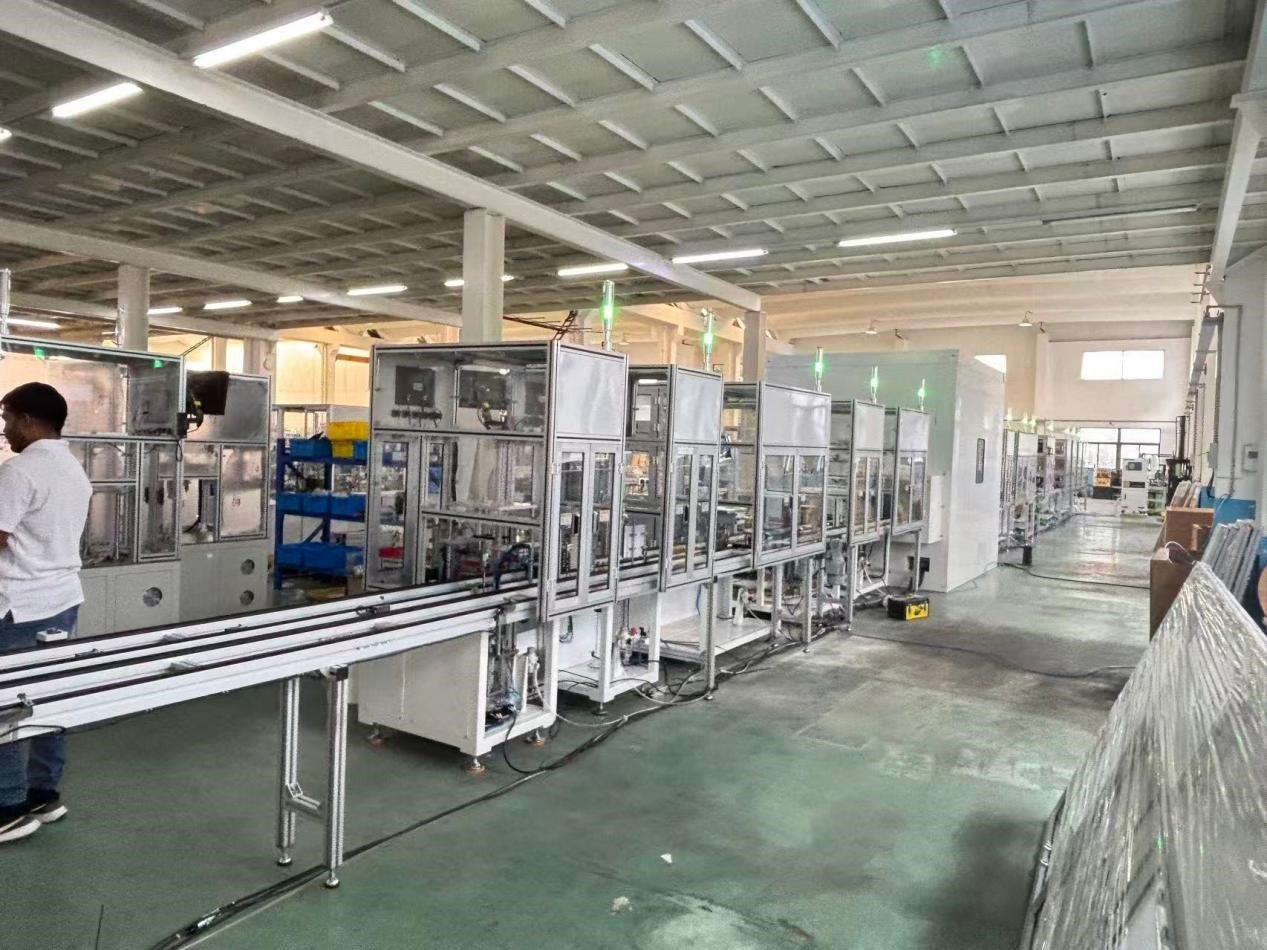
Modern manufacturing facilities use advanced technologies to produce accurate and reliable parts. These methods allow manufacturers to achieve tight tolerances and consistent quality.

CNC Machining

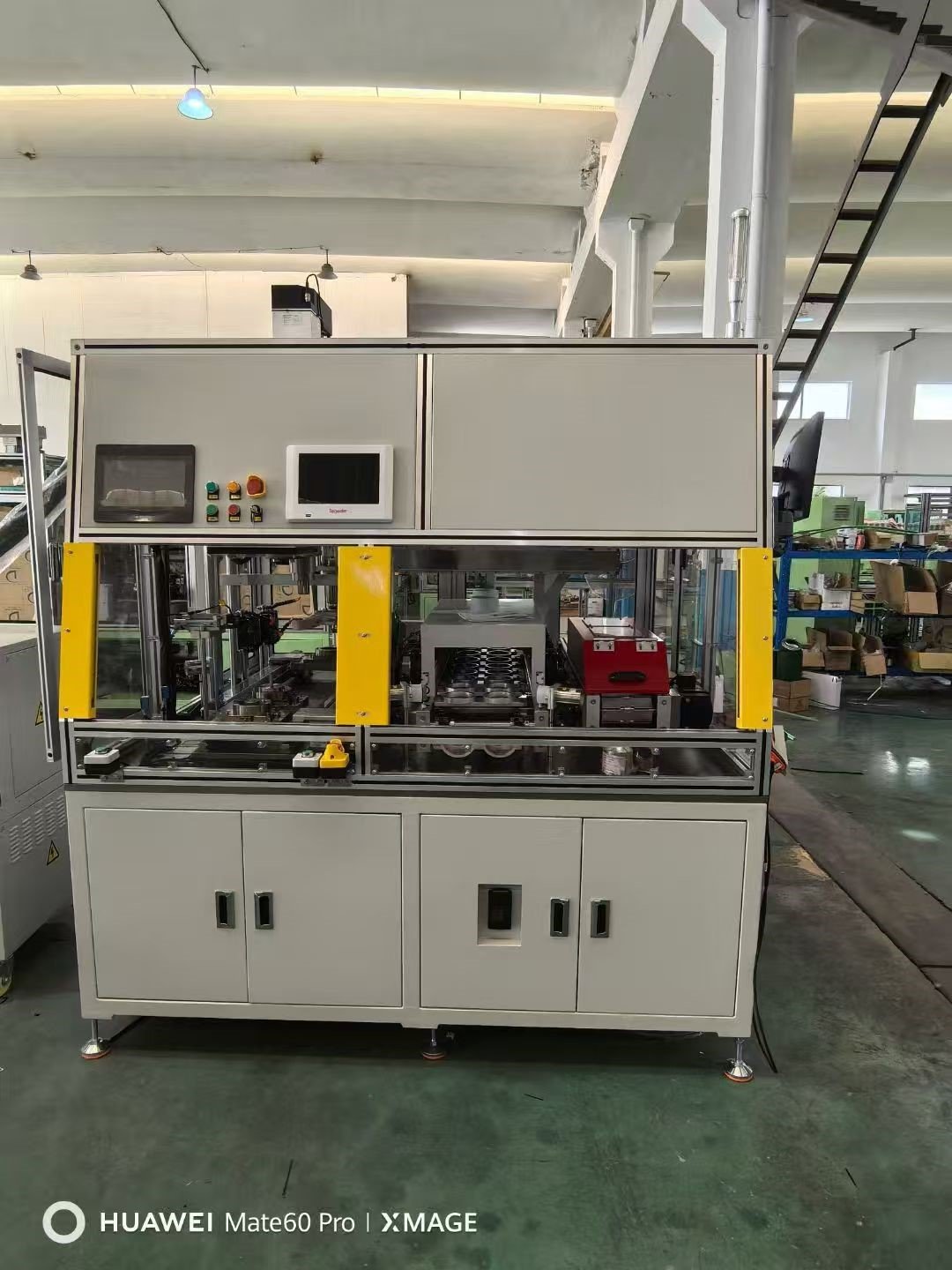
Computer Numerical Control machining is one of the most widely used manufacturing methods today. CNC machines operate through computer-controlled programming that guides cutting tools with exceptional precision.

This technology allows manufacturers to produce complex shapes and detailed designs with minimal human error. CNC machining is highly efficient and suitable for both small production runs and large-scale manufacturing.

Precision Turning

Precision turning is commonly used to create cylindrical parts such as shafts, pins, and bushings. During this process, the material rotates while cutting tools shape the surface according to exact measurements.

This method provides smooth finishes and highly accurate dimensions for critical components.

Milling Operations

Milling involves removing material from a workpiece using rotating cutting tools. Advanced milling machines can create intricate geometries and detailed surfaces required in modern engineering applications.

Manufacturers often combine milling and turning processes to produce highly customized parts.

Surface Finishing

Surface finishing improves component durability, appearance, and resistance to wear. Processes such as polishing, anodizing, coating, and heat treatment help protect parts from environmental damage and extend their service life.

Importance of Quality Control

Precision manufacturing requires strict quality assurance procedures to maintain consistency and reliability. Every component must meet exact specifications before it is approved for industrial use.

Dimensional Inspection

Manufacturers use advanced measuring equipment to verify component dimensions. Coordinate measuring machines and laser inspection systems help ensure precise accuracy.

Material Verification

Material testing confirms that components meet required strength and durability standards. Manufacturers evaluate hardness, heat resistance, and tensile strength to ensure reliable performance.

Functional Testing

Finished components often undergo operational testing to verify their ability to perform under real-world conditions. This step helps identify potential weaknesses before products reach customers.

Demand for Custom Manufacturing Solutions

Many industries require custom-engineered components designed for unique applications. Standard parts may not always meet specialized operational requirements, especially in advanced machinery and automated systems.

Custom manufacturing allows businesses to improve machine efficiency, reduce maintenance costs, and achieve better performance. Engineers work closely with manufacturers to develop solutions tailored to specific industrial needs.

The demand for specialized components continues growing as industries adopt more advanced technologies and automation systems.

Challenges in Precision Manufacturing

Despite significant technological advancements, manufacturers still face several challenges when producing high-quality components.

Maintaining Tight Tolerances

Producing parts with extremely accurate dimensions requires advanced equipment and experienced technicians. Even minor variations can affect functionality and assembly performance.

Material Machining Difficulties

Some materials are more difficult to machine because of their hardness or heat resistance. Manufacturers must carefully select cutting tools and machining techniques to avoid damaging components.

Cost Management

Precision manufacturing often involves expensive machinery, inspection equipment, and skilled labor. Balancing production costs with quality expectations remains a major challenge for many manufacturers.

Supply Chain Issues

Global supply chain disruptions can affect the availability of raw materials and manufacturing equipment. Delays in material sourcing may impact production schedules and customer deliveries.

Future Trends in Precision Engineering

The future of precision manufacturing is being shaped by automation, artificial intelligence, and smart production systems. Industries are investing heavily in technologies that improve efficiency, reduce waste, and increase accuracy.

Automated inspection systems can now detect defects faster and more accurately than traditional methods. Real-time monitoring technology also allows manufacturers to track production performance and identify issues immediately.

Additive manufacturing, commonly known as 3D printing, is becoming increasingly important for prototype development and complex component designs. This technology enables engineers to create shapes that are difficult to produce using traditional machining methods.

Sustainability is another growing focus within the manufacturing sector. Companies are adopting environmentally friendly production methods and recyclable materials to reduce environmental impact while maintaining product quality.

Conclusion

Precision-engineered components remain one of the most important foundations of modern manufacturing and industrial development. Although they are often hidden inside larger systems, their role in supporting machinery performance, safety, and efficiency is critical.

As industries continue advancing toward smarter and more compact technologies, the demand for reliable and accurately manufactured components will continue to grow. Companies that invest in advanced machining processes, strict quality control, and innovative engineering solutions will remain competitive in the evolving industrial landscape.

The true value of small mechanical parts lies not in their size, but in their ability to support the powerful systems that drive modern technology and industrial progress.

The Ultimate Guide to Choosing the Perfect Pill Box for Your Daily Health

Managing medications and supplements is a daily task for millions of people worldwide. From busy professionals to seniors, organizing pills efficiently is crucial to maintaining health and avoiding missed doses. A pill box is not just a simple container; it is an essential tool that can significantly improve medication adherence and simplify your daily routine. In this guide, we will explore the different types of pill boxes, their benefits, and tips for choosing the perfect one for your needs.

Understanding the Importance of a Pill Box

For anyone taking multiple medications or supplements, remembering the right dose at the right time can be challenging. A pill box offers an organized way to store your pills, making it easier to track daily, weekly, or even monthly doses. Beyond organization, it serves as a visual reminder, reducing the risk of missed or double doses, which can be dangerous. Modern pill boxes come in various designs, sizes, and functionalities, catering to different lifestyles and health requirements.

A well-designed pill box not only promotes consistency in taking medication but also provides peace of mind. For caregivers managing medications for others, it offers a reliable system that ensures the patient receives the correct dose at the right time. With innovations like compartments for specific times of day, travel-friendly designs, and even electronic reminders, the pill box has evolved into an indispensable health accessory.

Types of Pill Boxes

When choosing a pill box, understanding the available types is crucial. Each type serves different needs, whether you require daily organization or travel convenience.

Standard Daily Pill Boxes

These are the most common types, usually divided into compartments labeled for different times of the day, such as morning, afternoon, and evening. They are ideal for individuals taking several medications throughout the day. Standard pill boxes are typically small, lightweight, and easy to carry, making them convenient for home use and short trips.

Weekly and Monthly Pill Organizers

For those managing multiple medications or supplements, weekly or monthly pill boxes provide a broader solution. Weekly pill organizers divide the week into seven sections, allowing users to pre-fill doses in advance. Monthly organizers go further, offering a complete system for an entire month. This type reduces the daily hassle of sorting pills and ensures that medications are taken on schedule, especially useful for seniors or people with memory challenges.

Travel-Friendly and Portable Pill Boxes

Traveling with medications can be tricky, but compact, portable pill boxes make it simple. These boxes are designed to fit easily into a handbag, backpack, or luggage, ensuring that medications are securely stored and accessible on the go. Some travel pill boxes feature locking mechanisms or protective covers to prevent spills and accidental opening, adding an extra layer of convenience and security.

Specialized and Smart Pill Boxes

The latest innovation in pill management comes in the form of smart pill boxes. These devices offer features such as alarms, notifications via smartphone apps, and tracking systems to monitor adherence. Some even have automated compartments that release the correct dosage at the designated time. While these smart solutions come at a higher cost, they provide unmatched convenience, especially for individuals managing complex medication schedules.

Benefits of Using a Pill Box

The advantages of using a pill box extend beyond simple organization. Here are some of the key benefits:

  1. Improved Medication Adherence: By providing a visual reminder, pill boxes help reduce the likelihood of missed doses. This is especially important for medications that must be taken consistently to be effective.
  2. Time-Saving: Pre-sorting pills for a day, week, or month saves time spent on daily preparation and minimizes the risk of errors.
  3. Enhanced Safety: Pill boxes reduce confusion, preventing accidental double-dosing or skipping pills. This is particularly valuable for elderly patients or individuals on multiple medications.
  4. Travel Convenience: Compact and portable designs make it easier to carry medications safely while traveling.
  5. Caregiver Support: For those assisting others, pill boxes provide a reliable method to manage medications, ensuring the right dose is given at the right time.

How to Choose the Right Pill Box

Selecting the perfect pill box depends on your individual needs, lifestyle, and medication regimen. Here are some key factors to consider:

Size and Capacity

Consider how many medications or supplements you need to store daily. If you have a simple routine, a small daily pill box with a few compartments may suffice. For complex schedules, weekly or monthly organizers with larger compartments are better.

Material and Durability

Pill boxes come in plastic, metal, or even eco-friendly materials. Ensure that the box is durable, easy to open, and resistant to spills. Transparent designs can help users quickly identify pills, reducing confusion.

Design and Accessibility

Ease of use is critical. Pill boxes with clearly labeled compartments and simple opening mechanisms are ideal. For seniors or people with dexterity issues, larger compartments and ergonomic designs are preferable. Some pill boxes even feature color-coded sections to help differentiate between doses.

Additional Features

Depending on your needs, additional features may include travel locks, snap closures, or even electronic reminders. While optional, these features can enhance the usability of the pill box, especially for busy individuals or caregivers.

Tips for Using a Pill Box Effectively

To maximize the benefits of a pill box, proper use is essential. Here are some practical tips:

  • Fill in Advance: Set aside a specific time each week to organize your pills into the box. This reduces daily stress and ensures accuracy.
  • Label Clearly: If your pill box doesn’t come with labeled compartments, consider labeling them yourself to prevent confusion.
  • Check Expiration Dates: Always verify that medications are current before placing them in the box.
  • Keep It Clean: Regularly clean your pill box to maintain hygiene and prevent contamination.
  • Use Alarms: For complex schedules, setting alarms or using smart pill boxes can help remind you when it’s time to take your medications.

Common Mistakes to Avoid

Even with a pill box, mistakes can happen. Being aware of common pitfalls can prevent errors:

  • Overfilling compartments, which can lead to confusion or spilling.
  • Forgetting to refill the box on a weekly or monthly basis.
  • Using a pill box that doesn’t suit your schedule or the number of medications you take.
  • Ignoring special storage instructions for certain medications, such as refrigeration or protection from light.

Conclusion

A pill box is more than just a container; it is a vital tool for anyone managing daily medications or supplements. From simple daily organizers to advanced smart solutions, the right pill box can improve adherence, save time, and provide peace of mind. By understanding the different types, benefits, and features, you can select a pill box that suits your lifestyle and health needs perfectly. Whether for personal use or assisting a loved one, investing in a quality pill box is a step toward better health management and daily organization.

Using a pill box effectively requires thoughtful selection and consistent usage, but the rewards are clear: better medication adherence, reduced stress, and a more organized approach to health. With the wide range of options available today, there is a pill box designed for everyone, ensuring that managing medications becomes a simple, reliable part of daily life.

Pill Container: Complete Guide to Safe and Smart Medicine Storage System

A pill container is one of the most important packaging solutions in the healthcare and pharmaceutical industry. It is specially designed to store medicines in a safe and controlled environment, protecting them from moisture, air, sunlight, and contamination. In modern healthcare, proper storage of medicines is essential to maintain their effectiveness, and this is where a well-designed container plays a vital role.

Today, millions of patients depend on safe medicine storage systems to manage their daily health routines. Whether it is tablets or capsules, secure packaging ensures that medicines remain stable and effective until the last dose. This makes it an essential part of both pharmacy supply chains and home healthcare use.

What is a Pill Container and Why It Matters

A pill container is a specially designed storage solution used to keep medicines safe and organized. It is usually made from high-quality medical-grade plastic or sometimes glass, depending on the requirement. Its main purpose is to protect medicines from external environmental factors that can damage their quality.

In pharmaceutical use, airtight sealing is extremely important. Even slight exposure to moisture or air can reduce the effectiveness of medicines. That is why modern containers are designed with tight caps that prevent leakage and contamination. This ensures long-term stability of drugs and maintains their intended medical effect.

Structure and Design Features

The design of medicine storage packaging focuses on both safety and usability. Most containers come with a strong body and a tightly fitted cap to prevent accidental opening or spillage. Some advanced versions also include child-resistant locking systems for added safety in households.

Another important feature is the labeling space, where important information such as dosage instructions, expiry date, and medicine name is clearly printed. This helps patients avoid confusion and ensures proper usage.

The inner surface is smooth and chemically stable, which prevents reactions with stored medicines. This makes it suitable for long-term pharmaceutical storage without affecting quality.

Types of Medicine Storage Containers

There are different types available depending on usage and patient needs:

Standard Storage Bottle

This is the most common form used in pharmacies for everyday medications. It is simple, lightweight, and cost-effective.

Safety Locked Version

Designed to prevent children from accessing medicines, this type includes special locking caps for extra protection at home.

Weekly Organizer Box

This type helps patients divide their doses according to days of the week. It improves medication discipline and reduces missed doses.

Light-Protective Container

Some medicines are sensitive to light, and this type uses tinted material to block UV rays and preserve drug quality.

Each type serves a specific purpose in improving medication safety and user convenience.

Importance in Healthcare Systems

Proper medicine storage plays a critical role in treatment success. Without proper packaging, medicines can lose potency before their expiry date. That is why secure packaging systems are essential in hospitals, clinics, and home care.

It also helps reduce medication errors. Clear labeling and organized storage ensure that patients take the right dose at the right time. This is especially important for elderly patients who manage multiple prescriptions.

Hygiene is another key factor. Proper sealing prevents contamination from dust, bacteria, and moisture, keeping medicines safe for consumption.

Material Quality and Manufacturing Standards

High-quality medical containers are made using durable and safe materials such as polypropylene and polyethylene. These materials are resistant to chemical reactions and are widely approved for pharmaceutical use.

Manufacturers follow strict safety guidelines to ensure durability, non-toxicity, and stability. Some premium versions also use glass for sensitive formulations that require extra chemical protection.

Lightweight design and portability make them suitable for both hospital distribution and personal use.

Role in Patient Medication Management

One of the biggest challenges in healthcare is ensuring that patients follow their prescribed treatment correctly. Organized storage solutions help solve this issue by making medication schedules easier to manage.

For example, weekly organizers allow patients to plan their doses in advance. This reduces confusion and increases treatment compliance. As a result, patients are more likely to complete their medication courses successfully.

Healthcare professionals often recommend using structured storage systems for patients with chronic diseases who require long-term medication management.

Importance in Pharmaceutical Industry

In the pharmaceutical sector, secure packaging is considered a standard requirement. It not only protects the medicine but also reflects the brand’s quality and reliability.

Companies invest heavily in designing safe and user-friendly packaging to ensure that medicines remain stable during transportation and storage. This also helps in meeting international regulatory standards.

Good packaging improves customer trust and ensures that medicines reach patients in perfect condition.

Future Developments in Packaging Technology

With advancements in healthcare technology, smart storage solutions are being developed. These modern systems may include reminder alerts, digital tracking, and smart dosage monitoring.

Such innovations aim to improve patient safety and make medication management more efficient. In the future, traditional packaging may evolve into intelligent healthcare tools that actively assist patients in their treatment routines.

Conclusion

Safe medicine storage is a vital part of healthcare systems. From simple bottles to advanced smart solutions, modern packaging ensures that medicines remain effective, secure, and easy to use.

Proper design, material quality, and safety standards all contribute to better healthcare outcomes. As technology continues to grow, future packaging systems will become even more advanced, helping patients manage their health in a smarter and safer way.